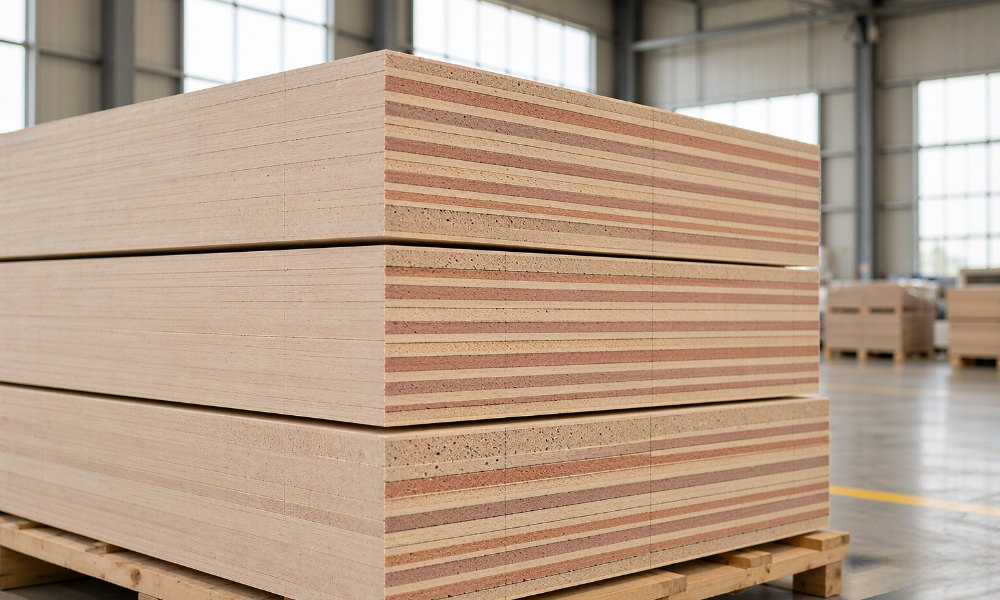
We are a trading company, not a mill — and we say so on the first page. What we sell is a specification, an inspection and a delivery date. This page shows where the material really comes from, what is checked before it leaves, and what arrives in your inbox with the shipment.
Material quality is decided long before the container is loaded. These are the four points where we intervene, and the document you receive afterwards.
You send the drawing, the standard and the quantity. We match it to the mill whose press format, veneer supply and machining set-up actually fit that job — instead of forcing your order through one line. You get a technical reply with grade options and the trade-offs, usually within 48 hours.
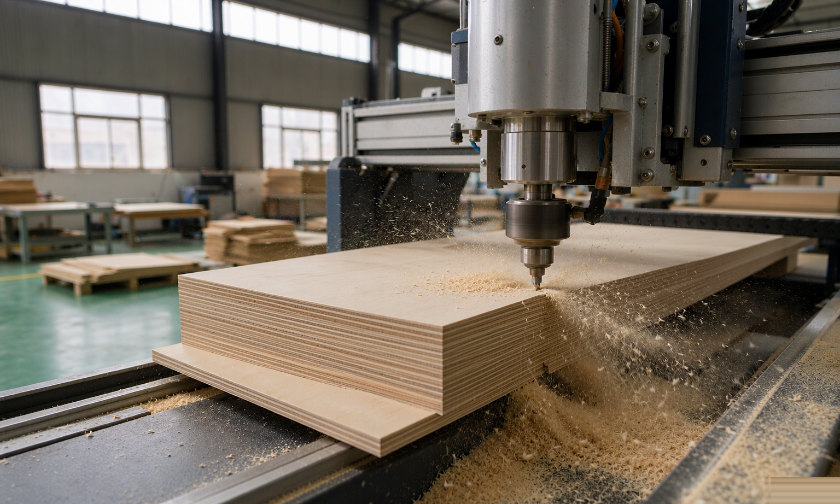
Before a batch runs, we check the drawing against what laminated wood can hold in practice: grain direction, minimum wall thickness at a slot, how a bore behaves after pressing. First article is sent for your approval — a machined sample, not a photo of a similar part.
We track the batch through pressing and machining at the mill, then inspect before packing: density, moisture, dimensions, metal contamination, delamination. Anything that fails is re-made at the mill's cost, while the goods are still in China — not after your incoming inspection.
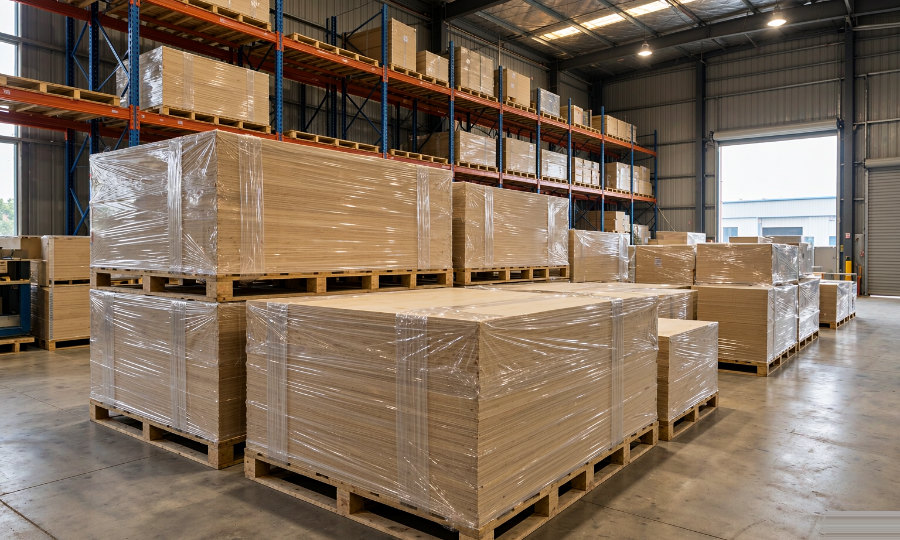
Export packing with moisture barrier and traceable batch labels, then the paperwork: invoice, packing list, certificate of origin, material and inspection reports. One named contact follows it from quotation to the day the container is cleared.
Finished parts are scanned for metallic inclusions. A stray screw or staple inside a press ring is a transformer failure waiting to happen — this is the check we never waive.
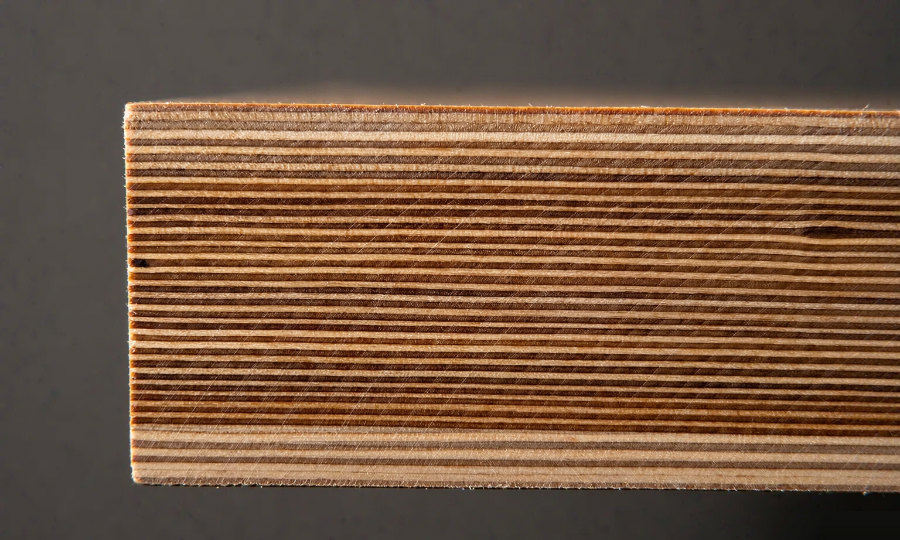
X-ray or visual check of the pressed pack. An under-cured layer only shows up years later, inside hot oil, at your customer's site.
Dissipation factor and permittivity measured on samples per batch against GB/T 20634 and IEC 61061 limits, with the test sheet attached to the order.
Bending, impact and compression results confirm the density actually achieved — not the density the mill aimed for.
Checked before packing and again on the packed pallet. Excess moisture lowers insulation resistance and can blister in service.
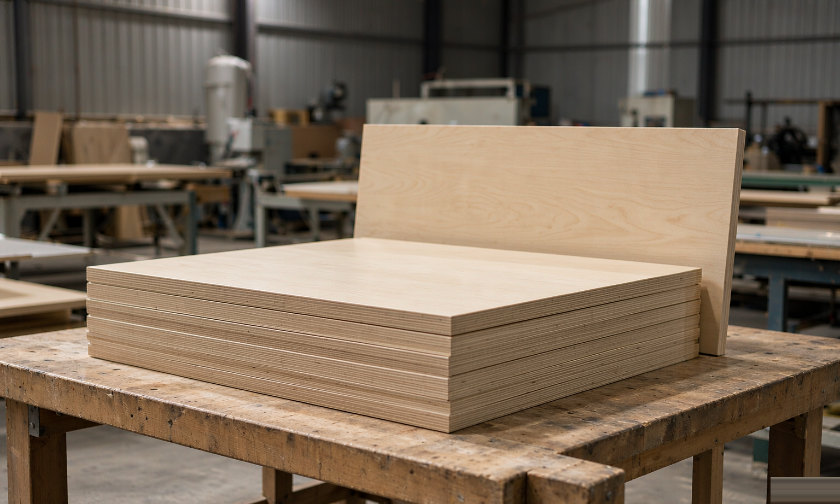
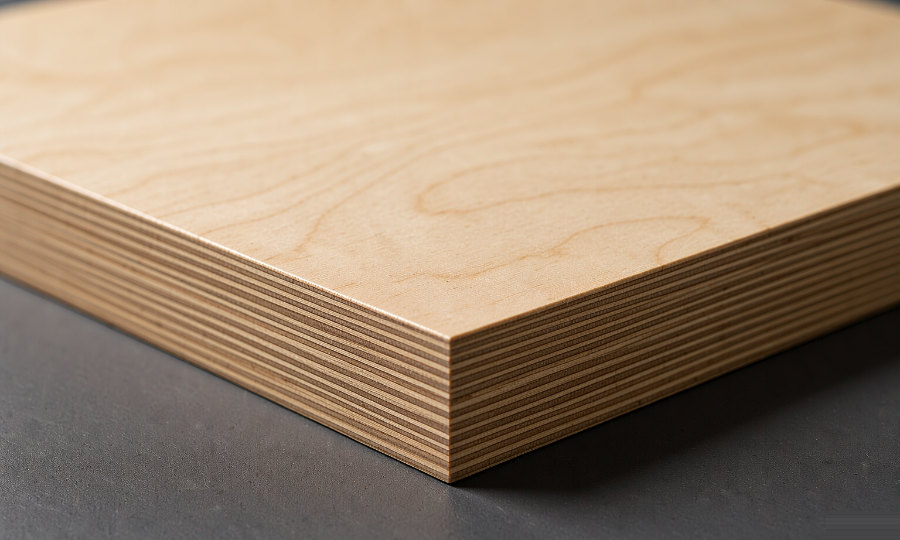
Thickness, flatness, hole position and slot depth verified part by part on machined items, with records kept per batch.
Photos from the mills and workshops we work with, taken on running orders rather than staged for a brochure.
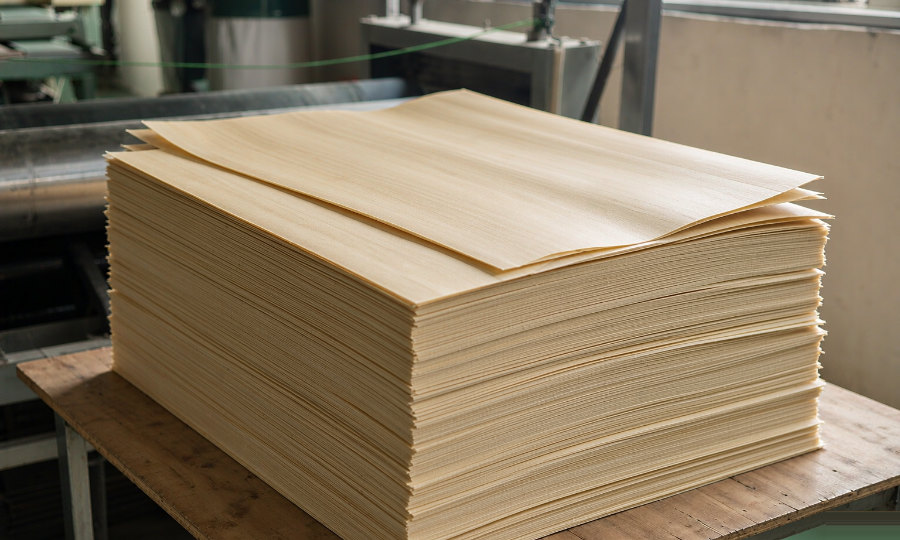
A mill sells what it has in stock. We quote across several, so the grade you are offered is the one your drawing needs — and when one is fully booked, your delivery date does not move.
Spare rings, a handful of spacers, a part the mill considers too small to open a line for — we consolidate them into one shipment instead of five separate purchases.
We are paid to find the defect in China, before the container sails. Batch records, test sheets and photos travel with the goods, in English, ready for your quality file.
Tell us which part you are sourcing. We will send the specification we would quote, the inspection items we would apply, and photos from a comparable batch already shipped.
Request Specification & Quote